
Buying Guide
Choosing the Right Laser Welding Machine
Laser welding is a contact-free technique used to join metal components primarily through a focused laser beam. It is especially well suited for high-speed operations and for welding thin materials where minimal heat distortion is required.
Because of its fast processing speed, precise control over weld quality, and high potential for automation, laser welding has become a popular solution across many industries, including medical manufacturing, electronics, tool production, and automotive applications.
Laser welding machine advantages:
- Speed
- Precision
- Flexibility
- Durability
- Automation
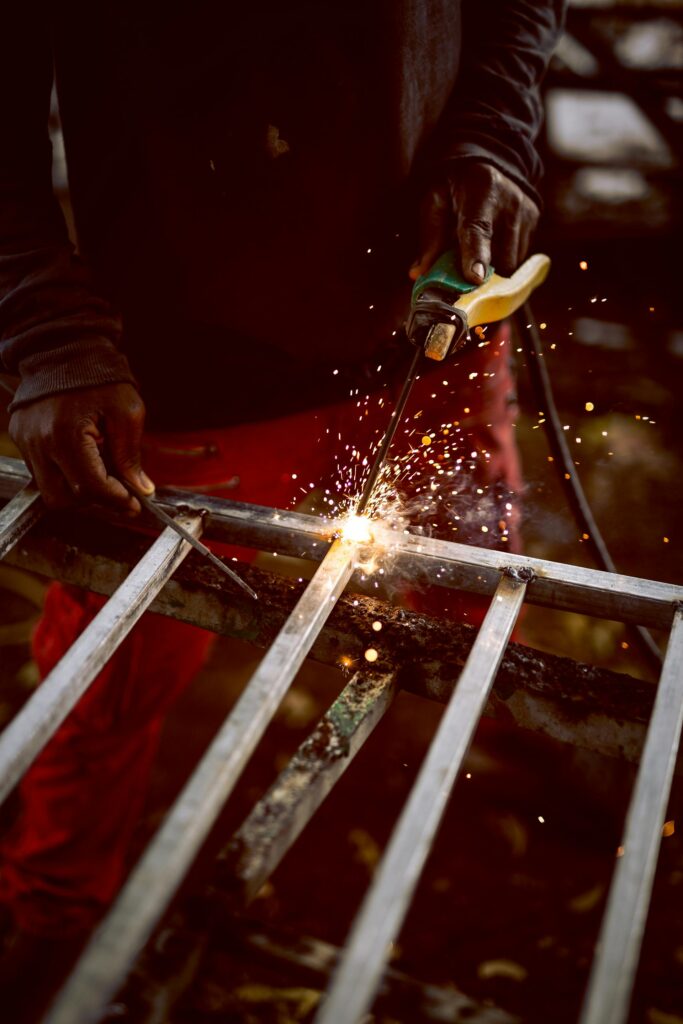
Pulsed or Continuous Laser?
Laser welding machines can be fitted with either a pulsed laser or a continuous laser, and the best option depends largely on the thickness of the material being welded.
Pulsed laser:
This type is ideal for lightweight and thin metals, as it limits heat input and helps prevent deformation or melting. Pulsed lasers are commonly used for welding sheet metal, razor blades, gold jewelry chains, and delicate medical components such as titanium pacemakers.
Continuous laser:
Continuous lasers are better suited for welding thicker components and perform especially well with refractory metals. However, when used on thin materials, they may cause damage, warping, or melting. Although continuous lasers are more costly than pulsed lasers, they generally offer lower operating expenses over time.
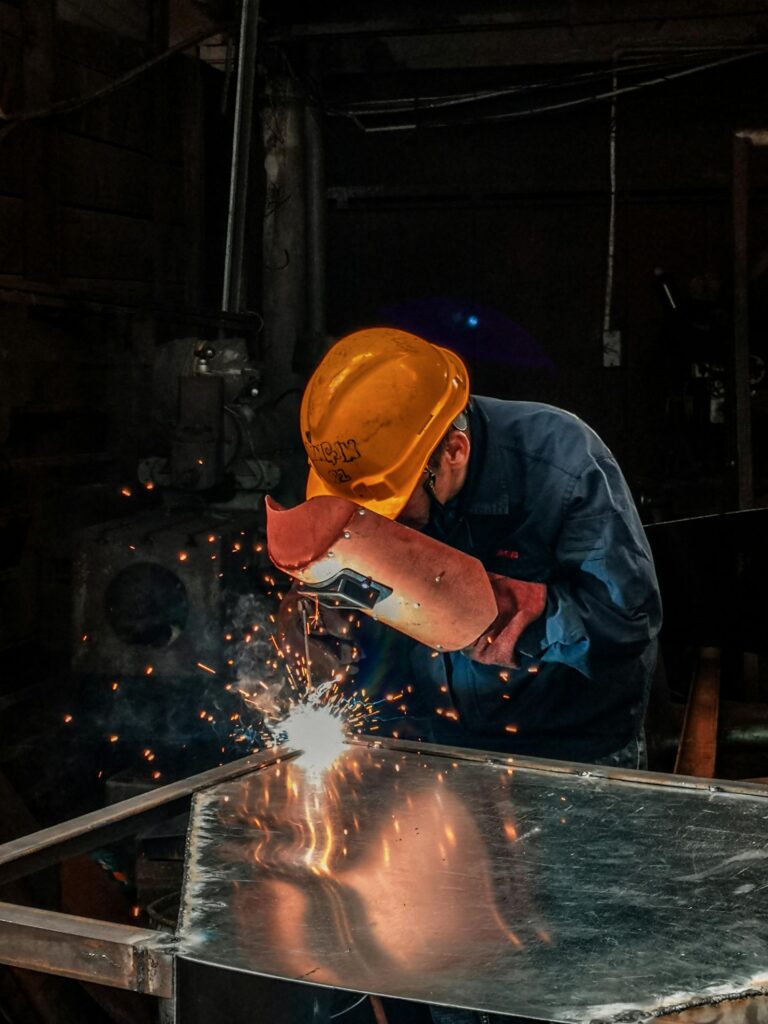
How to Choose the Laser Beam Source
There are three main types of laser sources used in welding machines: fiber lasers, CO₂ lasers, and Nd:YAG lasers. The appropriate choice depends on whether the system operates in pulsed or continuous mode.
Fiber laser:
Fiber laser technology produces narrow, high-precision beams that enable deep, continuous welding. Similar to CO₂ lasers, fiber lasers can quickly and efficiently penetrate thick metal sheets. They are easier to integrate into equipment and require less maintenance compared to other laser types. Fiber lasers typically offer an average efficiency of around 25%.
CO₂ laser:
CO₂ lasers operate using an electrically excited gas mixture of carbon dioxide, helium, and nitrogen, and are designed primarily for continuous operation. Like fiber lasers, they are capable of fast and efficient penetration of thick materials. CO₂ lasers are particularly effective when welding thick steel components and are therefore widely used in industry. They also provide greater flexibility, allowing them to work on both thick and lightweight materials. Their average efficiency is approximately 7% at 8,000 W.
Nd:YAG laser:
Nd:YAG lasers provide precise control over pulse power, duration, and shape, making them well suited for pulsed welding applications. However, they emit pulses at varying wavelengths, meaning not all of the energy reaches the weld point and some is lost as heat. As a result, Nd:YAG lasers have lower energy efficiency—typically between 3% and 4%—compared to CO₂ lasers (7–10%) and fiber lasers (25–30%).
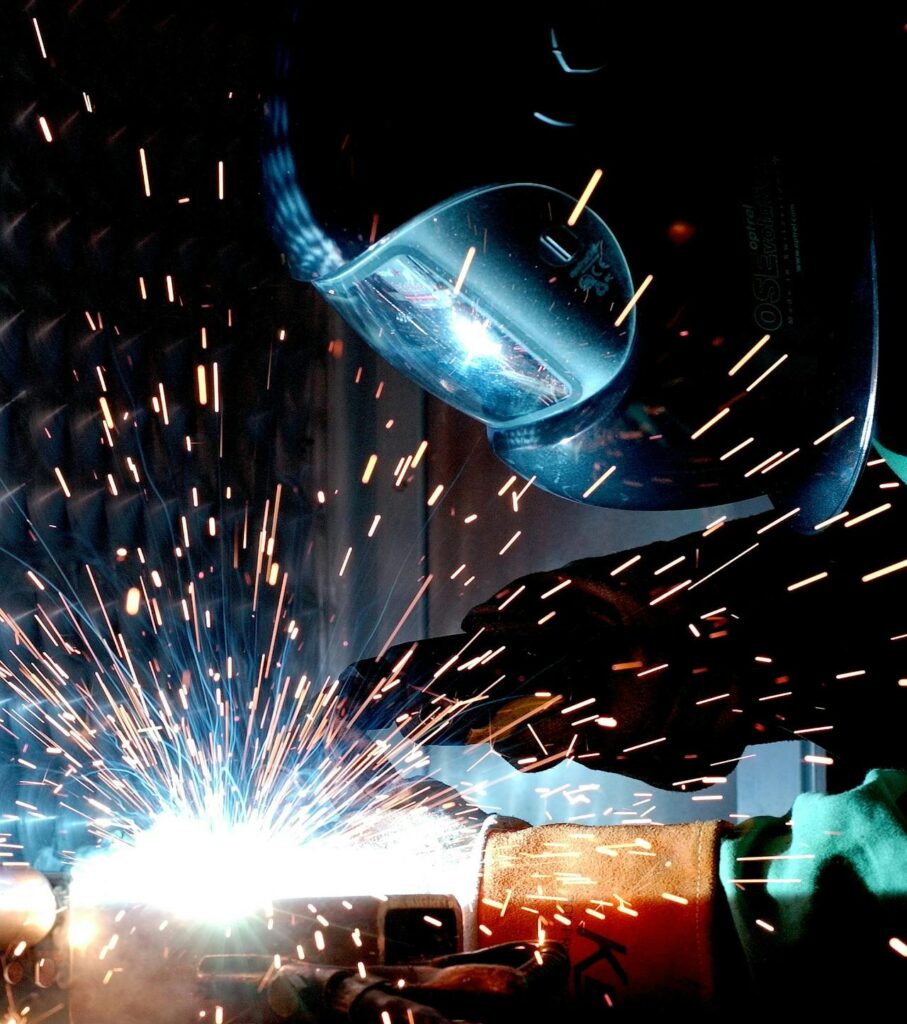
Which Configuration Is Best for Your Welding Machine?
Laser welding machines are available in three main configurations:
Manual
Semi-automatic
Automatic
The most suitable option depends on factors such as your production volume (small, medium, or large scale) and how you plan to organize your workspace.
Manual laser welding machines
Manual systems are more compact than semi-automatic and automatic models. They may feature either manual or automated doors, and the operator controls the sequence in which parts are welded. These machines are best suited for low-volume production and applications that require flexibility.
Semi-automatic laser welding machines
Semi-automatic machines are larger than manual systems and typically include turntables to streamline the welding process. They are well suited for medium to high production volumes, offering a balance between automation and operator control.
Automatic laser welding machines
Automatic systems are the largest and most advanced configuration. They use robotic technology to automatically position parts under the laser beam, significantly reducing the need for human intervention and easing the operator’s workload. These machines are ideal for high-volume production, delivering increased productivity and reduced downtime through automated loading and unloading. However, they require a higher initial investment due to their cost.

2500
Machines Installed
30+
Countries Presence
15+
Years of Innovation
10+
Industries Served
Let's Keep In Touch
Be first to know about new models, innovations, and special deals.